
Menu




Over the last two years, businesses worldwide have experienced supply chain interruptions on a scale never previously intended. Raw material shortages along with transport congestion, dramatically changing consumer preferences and political tensions all contribute to disruptions that have become a new normal. In these situations, organizational stability and efficiency are greatly reliant on the velocity of the response to the change that the organization is able to effect.
Speed and swiftness of response are the main reasons, as well as the one and only factor, that the availability of data in real-time has become a major concern at the strategic level of manufacturing in the modern era. Manufacturers that are still depend on on fragmented tools, manual updates, or old reporting cannot manage with breaks fast enough to remain in the game.
To bridge this gap, the majority of innovative manufacturers are adopting SAP manufacturing solutions. With integrated information and real-time analysis behind them, SAP Manufacturing software connects the entire supply chain from production and procurement to warehousing and fulfilment in a way that allows decisions to be made from real-time, current data.
The Problem: The Old Supply Chains Aren’t Designed to Deal with Disruption
Traditionally, supply chains were planned for stability and predictability. Long scheduling horizons, stable supplier bases, and sensibly reliable demand forecasts were the order of the day. But the manufacturing certainty of today is:
So, conventional, reactive planning is no longer enough.
Even a slight delay in raw material accessibility can lead to:
The only way to traverse this type of complexity is real-time visibility and harmonized activities—and that’s where SAP manufacturing enters the picture.
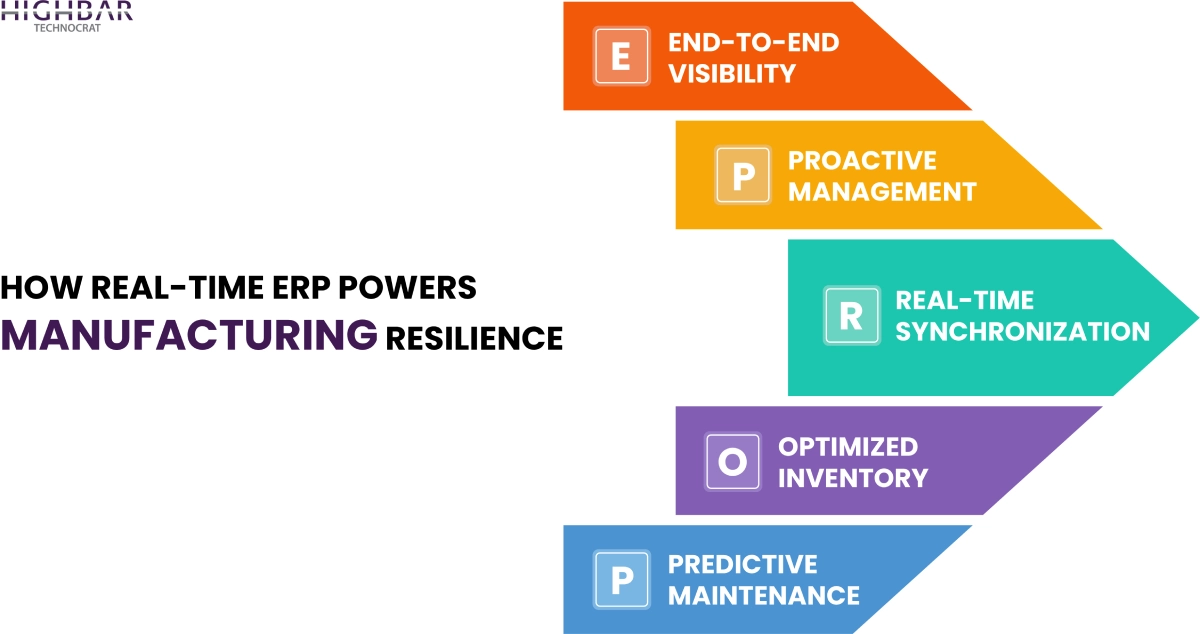
One of the greatest advantages of SAP Manufacturing software is that it brings together all manufacturing operations in a single digital landscape. Instead of running as silos, departments are given one, common, real-time picture of things.
With data at its centre, inventers get to see things follow right away:
This 360-degree slide moves the blind spots sideways, empowering proactive decision-making.
Supply chain disturbances in most examples start outside of the plant—between vendors and logistics companies. SAP manufacturing solutions cover supplier monotonous analytics that help procurement teams with:
Fortified with this information, organizers are better able to negotiate, avoid dependence on weaker suppliers, and acquire alternates in a hurry.
Demand changes can interrupt production planning if done based on out-of-date data. SAP manufacturing software operates real-time demand signals to make dynamic adjustments to:
This maintains production capacity in line with true demand, preventing overproduction or stockouts.
The result is lower response time and improved production process.
Stockout or surplus account can either block reserves in surplus stock or standstill production due to lack of material. SAP Manufacturing software develops:
This allows manufacturers to enjoy timely availability of materials and reduces carrying and storage cost.
No production downtime is suitable if supply chains are volatile. SAP manufacturing powers device data, IoT feeds, and analytical analytics to:
This certifies production is always flowing smoothly even when supply chains are getting stressed.
Manufacturers who use SAP manufacturing solutions reliably report:
Supplier Risk Exposure\reduced by 30%
Gains such as these do more than protect operations through disruptions—they promote competitiveness long term.
Example Scenario
One manufacturer of industrial components suffered with recurring interruptions from variable delivery of raw materials from overseas. Production squads learned too late about scarcities—hence, frantic purchases at high prices.
After SAP integration:
The company reduced emergency procurement costs by 22% and enhanced on-time delivery to 94% from 76% over a year.
In today’s unbalanced world, the strongest manufacturers remain those with the largest resources—but the ones with the greatest visibility and fastest response capability.
SAP manufacturing helps organizations prepare ahead of time for disruptions, react rapidly and decisively, and remain stable when the marketplace is volatile. With SAP Manufacturing software, manufacturers are not only receiving workflow automation—they’re also getting the quickness, intelligence, and flexibility they must have to thrive in today’s supply chain environment.
Disruptions will never disappear.
But with real-time ERP visibility, you are in control—not the disruption.
