





SAP Manufacturing Software: Revolutionizing Industry Operations
- Highbar Technocrat
- Blogs
- October 17, 2023
Connect With Us
SAP Manufacturing Software: Revolutionizing Industry Operations
- Highbar Technocrat
- Blogs
- October 17, 2023
Connect With Us

Manufacturing is a critical sector in the global economy, and companies in this industry constantly seek ways to optimize their operations, reduce costs, and enhance product quality. SAP is a leading software provider known for its comprehensive suite of business applications, including SAP Manufacturing, designed to meet modern manufacturing processes’ complex requirements. In this blog, we will delve into the world of SAP Manufacturing Software, exploring its features, benefits, and impact on the manufacturing industry.
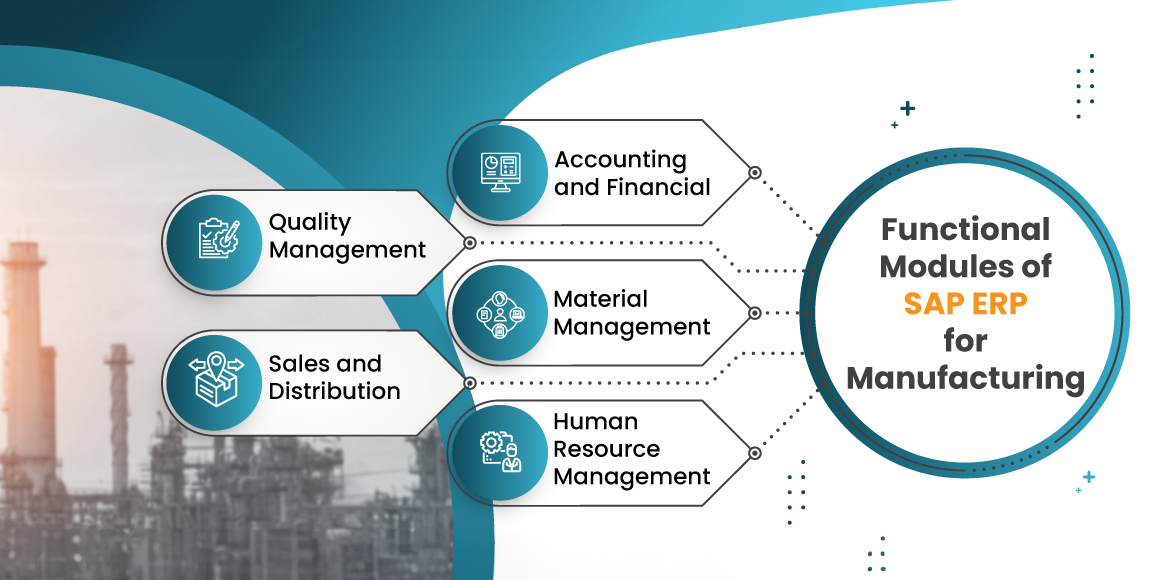
SAP system: An Overview
SAP (Systems, Applications, and Products in Data Processing) is a leading enterprise resource planning (ERP) software system that integrates various organizational business processes and functions. It provides businesses with a comprehensive suite of applications to manage finances, human resources, procurement, production, sales, and more, all within a single, unified platform. SAP systems are renowned for their scalability, flexibility, and ability to streamline operations, enhance decision-making, and optimize resource allocation. They are vital for organizations seeking to improve efficiency, productivity, and competitiveness in today’s global business landscape.
What is SAP Manufacturing Software?
SAP Manufacturing Software is a set of integrated solutions designed to streamline and optimize manufacturing processes within an organization. It provides a range of functionalities, from production planning and scheduling to shop floor execution and quality control. SAP Manufacturing software allows manufacturers to efficiently manage their entire production cycle, from raw material procurement to finished product delivery. Here are some key components of SAP manufacturing software:
SAP Manufacturing Execution (SAP ME)
- SAP ME is a powerful software solution that enables real-time tracking and control of manufacturing operations on the shop floor. It helps manage work orders, track material usage, monitor equipment performance, and ensure compliance with quality standards.
- The system allows for seamless integration with enterprise resource planning (ERP) systems, which ensures data consistency and transparency across the organization.
SAP Manufacturing Integration and Intelligence (SAP MII)
- SAP MII is a platform that connects shop floor operations with business processes. It provides real-time visibility into manufacturing data, enabling organizations to make informed decisions quickly.
- This software offers features like production monitoring, performance analysis, and integration with manufacturing equipment and sensors, leading to improved efficiency and reduced downtime.
SAP Advanced Planning & Scheduling (SAP APO)
- SAP APO is a tool for optimizing production planning and scheduling. It considers various factors such as demand forecasts, capacity constraints, and inventory levels to create efficient production plans.
- With SAP APO, manufacturers can align production with customer demand, minimize lead times, and reduce excess inventory.
SAP Product Lifecycle Management (SAP PLM)
- SAP PLM manages the entire product lifecycle, from concept and design to manufacturing and service. It facilitates collaboration among cross-functional teams and helps efficiently manage product data and documentation.
- This solution aids in accelerating time-to-market, reducing product development costs, and enhancing product quality.

SAP Manufacturing Software: Impact on the manufacturing industry
SAP Manufacturing software has significantly impacted the manufacturing industry by revolutionizing how manufacturers plan, execute, and optimize their operations. Here are some key ways in which SAP Manufacturing software has influenced the industry:
Enhanced Efficiency and Productivity: SAP Manufacturing software streamlines and automates various manufacturing processes, from production planning and scheduling to inventory management and quality control. This automation reduces manual errors, minimizes downtime, and improves overall efficiency, leading to increased productivity on the shop floor.
Real-time Visibility: One of the significant benefits of SAP Manufacturing software is its ability to provide real-time visibility into manufacturing operations. Manufacturers can monitor production progress, track inventory levels, and analyze key performance indicators (KPIs) in real-time, enabling them to make informed decisions quickly.
Improved Quality Control: SAP Manufacturing software includes quality management and tracking tools, allowing manufacturers to maintain strict quality control standards. This helps reduce defects, minimize rework, and ensure that finished products meet customer specifications and regulatory requirements.
Supply Chain Integration: SAP Manufacturing software integrates seamlessly with other SAP modules, such as supply chain management and procurement. This integration gives manufacturers better control over their supply chains, optimize inventory levels, and respond quickly to changes in demand or supply.
Enhanced Collaboration: The software promotes collaboration among various departments within a manufacturing organization, including production, procurement, and sales—this improved communication and collaboration help in aligning all stakeholders toward common goals and ensuring a smoother workflow.
Regulatory Compliance: Many industries, such as pharmaceuticals and aerospace, have strict regulatory requirements. SAP Manufacturing software helps manufacturers adhere to these regulations by providing documentation and traceability features, ensuring compliance with industry standards.
Data Analytics and Predictive Maintenance: SAP Manufacturing software incorporates data analytics and predictive maintenance capabilities, allowing manufacturers to analyze historical data to predict equipment failures and maintenance needs. This proactive approach reduces unplanned downtime and maintenance costs.
Sustainability and Resource Optimization: With a focus on sustainability, SAP Manufacturing software helps manufacturers optimize resource usage, minimize waste, and reduce energy consumption. This aligns with global efforts to create more environmentally friendly manufacturing processes.
Global Reach: SAP Manufacturing software is used by companies worldwide, making it easier for manufacturers to expand into new markets and standardize their processes across different locations.
In conclusion, SAP Manufacturing software has transformed the manufacturing industry by providing comprehensive solutions that optimize operations, enhance quality control, and facilitate better decision-making. Its impact extends from the shop floor to the supply chain and beyond, helping manufacturers stay competitive in a rapidly evolving global marketplace.
SAP Manufacturing Software offers a comprehensive suite of tools to optimize production processes, enhance product quality, and drive operational efficiency. As the manufacturing landscape continues to evolve, SAP Manufacturing will play a crucial role in helping businesses stay competitive and adapt to the challenges and opportunities of the future.
Connect With Us
Comments
