





ERP implementation partner
How Real-Time Site Data Improves Board-Level Decisions
- Highbar Technocrat
- Blogs
- March 18, 2026
Connect With Us
In large infrastructure and EPC organisations, board-level decisions often determine the difference between controlled growth and cost overruns. Yet many boards are still forced to make critical calls using delayed, summarised, and fragmented reports.
By the time information reaches the boardroom, site realities may already have changed.
This disconnect between site execution and strategic decision-making is one of the most underestimated risks in infrastructure projects. Real-time site data when captured and structured through ERP bridges this gap and enables boards to move from reactive oversight to proactive control.
That shift is only possible when ERP is implemented with execution realities in mind, not as a back-office system.
The Board’s Biggest Challenge: Lagging Information
Boards are expected to make decisions on:
- Project health and progress
- Cost overruns and margin risks
- Cash flow and funding requirements
- Claims, delays, and compliance exposure
However, traditional reporting cycles depend on:
- MIS reports on a monthly basis
- Manual updating of sites
- Merger using spreadsheets
- Explanations of variances after the fact
This lag in time means that boards are often reacting to problems rather than preventing them.
Why Site-Level Data Matters More Than Ever
Infrastructure projects operate in dynamic conditions weather, labour availability, material delays, design changes, and regulatory dependencies.
Data from the site gives early indicators of:
- Slippage in activity completion
- Consumption of materials not in line with BOQs
- Labor productivity problems
- Delays in certifications or approvals
Without the ability to see these early hands in real-time, decisions are made on assumptions rather than facts.
ERP as the Bridge Between Site and Boardroom
ERP takes raw site data and turns it into usable information.
A good ERP system includes the following:
- Notifications of site updates
- Procurement responsibilities
- Cost consumption
- Cash flow forecasts
- Compliance and documentation status
This integration is why organisations increasingly depend on an experienced ERP implementation partner who understands infrastructure execution not just finance systems.
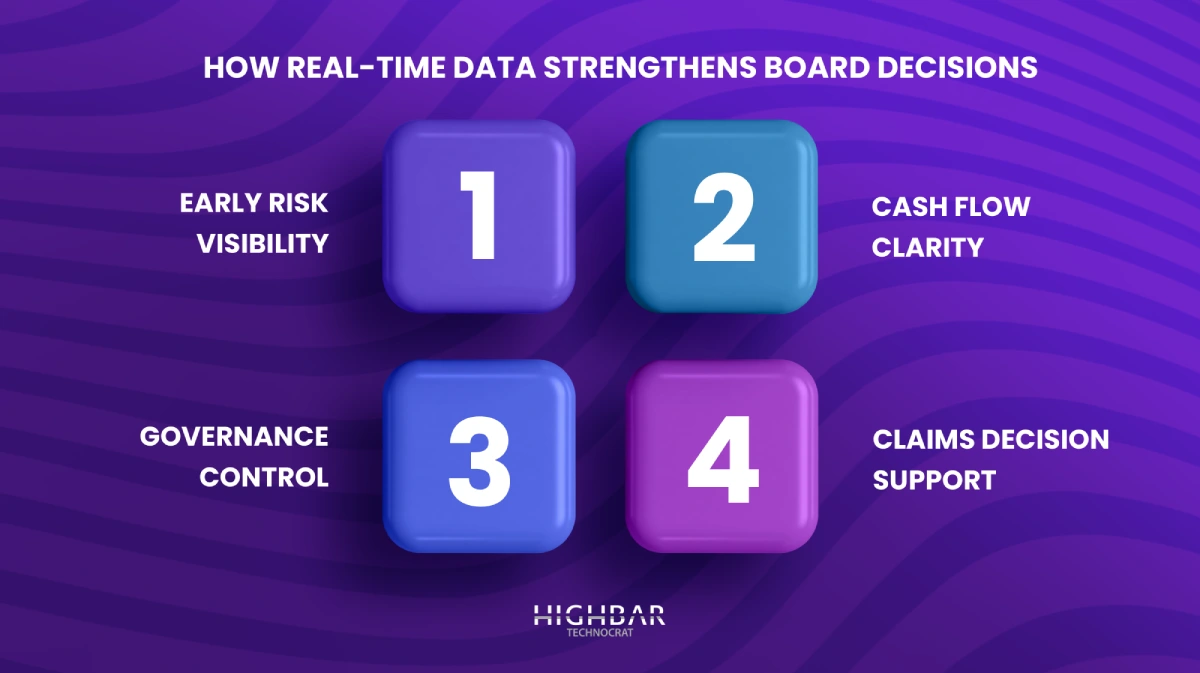
How Real-Time Site Data Improves Board-Level Decisions
1. Early Identification of Cost & Schedule Risks
The data from the ERP systems, which connect to the site operations, shows that:
- The boards monitor conflicts at their present state instead of waiting until they become more serious.
- The system provides users with the ability to track cost differences which exist between different activities and package components.
- The delays in the project work stem from their connection to financial impacts and contract obligations.
The boards use this system to monitor risks because they can take action before dangers turn into financial losses through three methods, which include scope changes, resource redistribution and contract renegotiation.
2. Better Cash Flow and Funding Decisions
Real-time site progress directly influences:
- Milestone billing
- Cash inflows
- Working capital essentials
Dashboards made possible by ERP systems help boards:
- Accurately forecast cash needs
- Plan cash withdrawals and budget cycles
- Prevent liquidity problems due to execution delays
- Discussions in finance shift from hindsight to foresight.
3. Data-Backed Decisions on Claims and Variations
Claims and variations cannot be avoided in infrastructure projects, but inadequately documented claims and variations will sabotage negotiating positions.
ERP system-supported site data gives assurance that:
- Claims are proved at activity level
- Time and cost effects are systematically calculated
- Boards can make informed decisions about whether to pursue, settle, or dispute claims
4. Stronger Governance and Compliance Oversight
Accountability of the board of directors also extends to other areas of governance, aside from profitability.
The following information is available through real-time ERP data:
- Trails of approval and changes
- Tracking of compliance
- Notifications of deviations from policy and contracts
The Role of SAP ERP in Board-Level Visibility
SAP ERP systems, for example, are commonly used in the infrastructure sector because they are capable of managing:
- Complex project structures
- Large volumes of transactions
- Execution at multiple locations
- Reporting and analytics
Visibility, however, is not ensured. It depends on the extent to which the site processes are integrated into the system.
Why the Right ERP Implementation Partner Matters
ERP implementations often fall short of providing value at the board level because of the following reasons:
- Site data entry is considered optional
- The teams executing the plans consider ERP an administrative chore
- The dashboards are created with an IT audience in mind, not the board
A good partner for ERP implementation will ensure that the following are accomplished:
- Site processes are simplified and made more achievable
- Data entry is aligned with actual execution milestones
- Dashboards provide answers to board-level questions, not just operational ones
For organisations looking for trustworthy SAP ERP solutions in Mumbai, it is important that they have domain knowledge in the region, particularly when the project involves regulatory compliance, short turnaround times, and multiple stakeholders.
What Boards Gain From Real-Time ERP Visibility
When the ERP system is able to provide real-time site information effectively, the following benefits accrue to the boards:
- Faster decision cycles
- Fewer financial surprises
- Better project predictability
- Better governance and control
- Greater confidence in strategic planning
ERP ceases to be a reporting tool and becomes a strategic enabler.
Conclusion: Better Data Creates Better Decisions
Success in infrastructure is no longer a function of working harder it is a function of seeing earlier and deciding smarter.
Real-time data on site, when properly structured using ERP, enables boards with clarity,confidence, and control. With the support of the right ERP implementation partner and access to expert SAP ERP services in Mumbai, organisations can align execution realities with strategic intent.
Because at the board level,
The quality of decisions is only as good as the quality of data behind them.
Comments
